
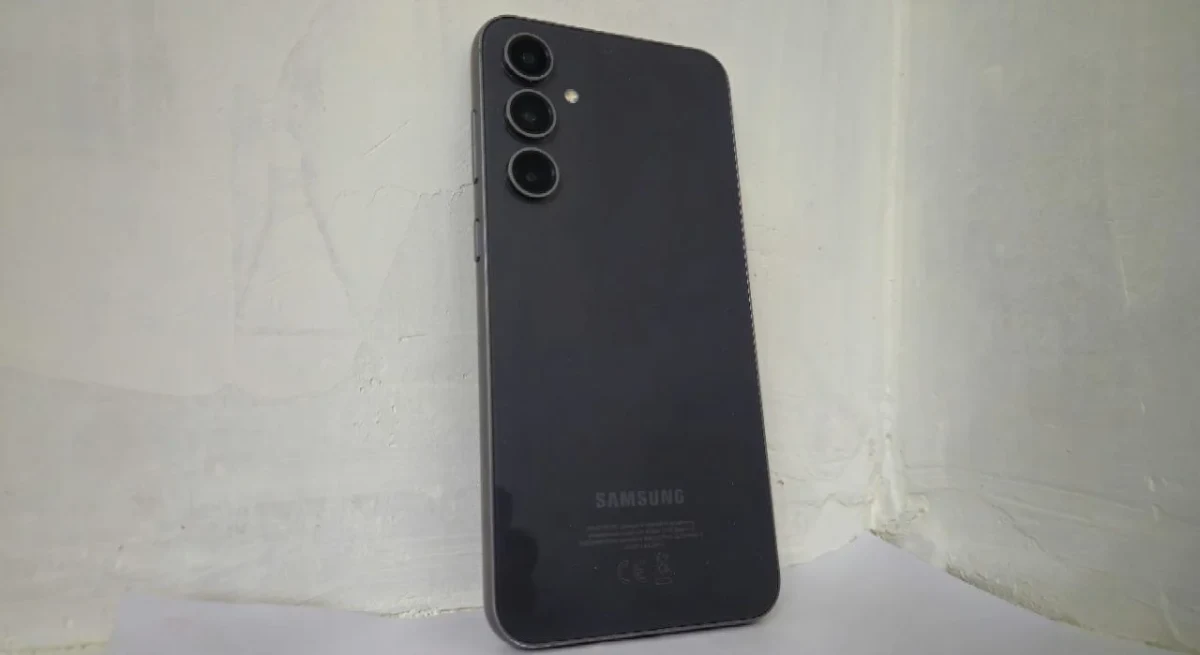
Samsung is a well-known manufacturer, recognized for its budget segment as well as mid-range and flagship devices. Of course, it doesn't only produce mobile phones, but it certainly achieves success in this regard as well. The Galaxy series always captures users' attention with its One UI system. This Samsung Android system is refined and attractive; this elegant, easy-to-understand, and beautifully color-coordinated system truly generates great interest among users. However, Samsung has always had some issues, just like other manufacturers—like the Note 10, which had a factory defect, or the first-generation Fold series, whose screen was not good enough. Also noteworthy is the cooling management on some of them; Exynos chipsets are sometimes hotter than their Snapdragon versions. Yes, Samsung is also characterized by producing different processors for different markets, and today I want to talk about the latter.
This is a Samsung with an Exynos chipset—specifically, the Samsung Galaxy S23 Fan Edition (FE) series. The Fan Edition series is a special sub-flagship line created for Samsung lovers; its performance is close to its older brother, the S23, but with minor details removed to keep the price lower, resulting in one of the most widespread and popular Fan Edition models. The reason for this is exactly that users in the mid-range budget segment gained access to an S-series model. But is everything really that good? Sometimes yes, and sometimes not so much.
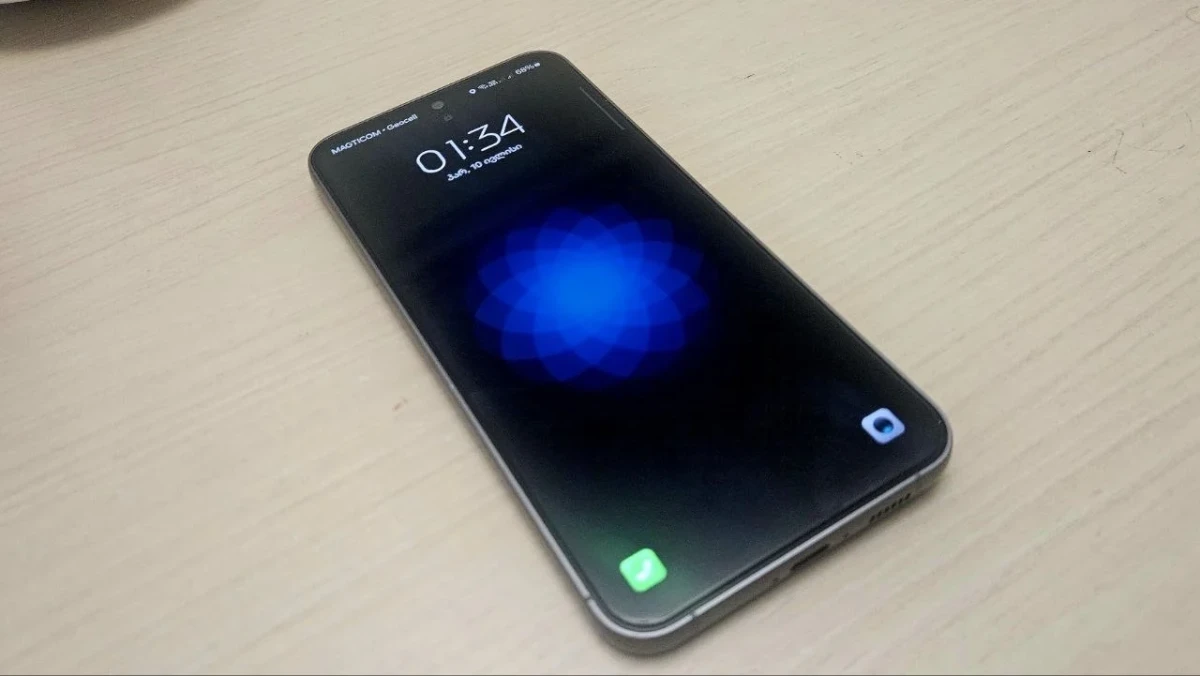
In the Fan Edition series, Samsung uses the chipset of the previous flagship device—in this case, the S22. Samsung continued this exact tradition in the S23 Fan Edition as well. Here we find the S22's chipset, the Exynos 2200 or the Snapdragon 8 Gen 1, a 4500 mAh battery, 8 gigabytes of RAM, and 128 or 256 gigabytes of internal storage. The 50-megapixel main, 12-megapixel ultrawide, and 8-megapixel telephoto cameras give your Samsung the additional ability to take decent photos—more flagship-like, but at the same time, not quite a flagship. It is also interesting that Samsung's Fan Edition models are often bulkier than their older brother, the S23 model; this is probably due to the generally higher demand for larger phones, and Samsung developed a unique formula to attract users' attention in this price category, which actually worked.
Specifically, the S23 Fan Edition I am talking about right now, I can evaluate as a continuation of an unsuccessful and problematic generation, and its chipset inherited from the S22 is clear proof of this. The Exynos 2200 series used in this mobile phone is hot, unpredictable, and brings problems to the phone. We have already talked about the S22 model, the post for which you can see here. As for the S23 FE, the situation is slightly different. Unlike the S22, which is a compact smartphone of just 6.2 inches, the S23 Fan Edition is relatively larger; it has a bigger battery and more space, which allows the smartphone to dissipate heat more effectively so that the mobile doesn't overheat. But the problem is still the Exynos 2200. When using 5G internet and talking via video call, you will see that it gets more than hot enough. This problem exists because a hot chipset consumes a large amount of energy, which causes the phone to drop to 0% very quickly and also poses a huge problem for the display and other components inside it. This specific S23 Fan Edition is equipped precisely with the Exynos 2200, but the Snapdragon 8 Gen 1 of this generation is no exception either; it had the same problem as the Exynos and caused the mobile to overheat.
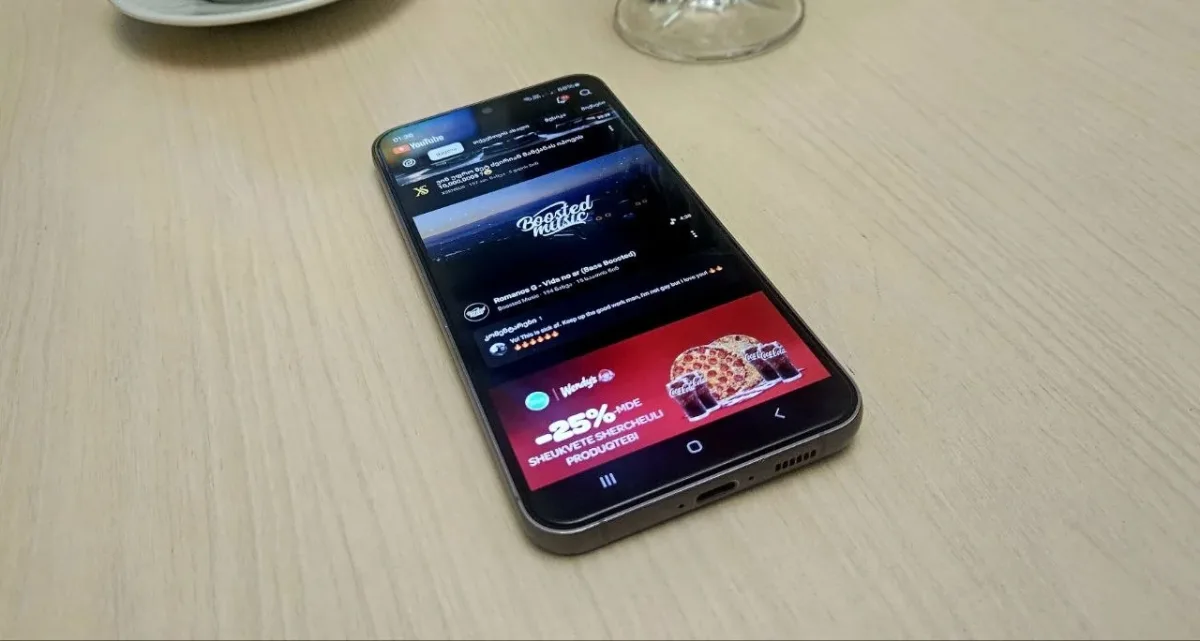
More than 2 years have passed since the release of the S23 Fan Edition, and during this time, I can say that this mobile is quite good for its price, but not ideal. It is good in functionality and performance, but this performance is completely dependent on its cooling, and if the mobile gets hot, thermal throttling begins. On the secondary market today, this mobile is quite cheap; its price averages $200, and to tell you the truth, it definitely justifies this price. But keep one thing in mind: if your goal is mobile gaming, then I advise you to always use an active cooler attached to its back casing to provide a continuous airflow. This will be a real relief for the Exynos. However, if you can pay a little more and are aiming for a used smartphone, then my personal advice to you is the S23 and S23 Plus. Unlike the Fan Edition, these mobiles worldwide have the Snapdragon 8 Gen 2 processor—cooler, faster, and more stable. The S23 Plus is certainly closer to the S23 Fan Edition in size, but it stands much higher in performance and stability.
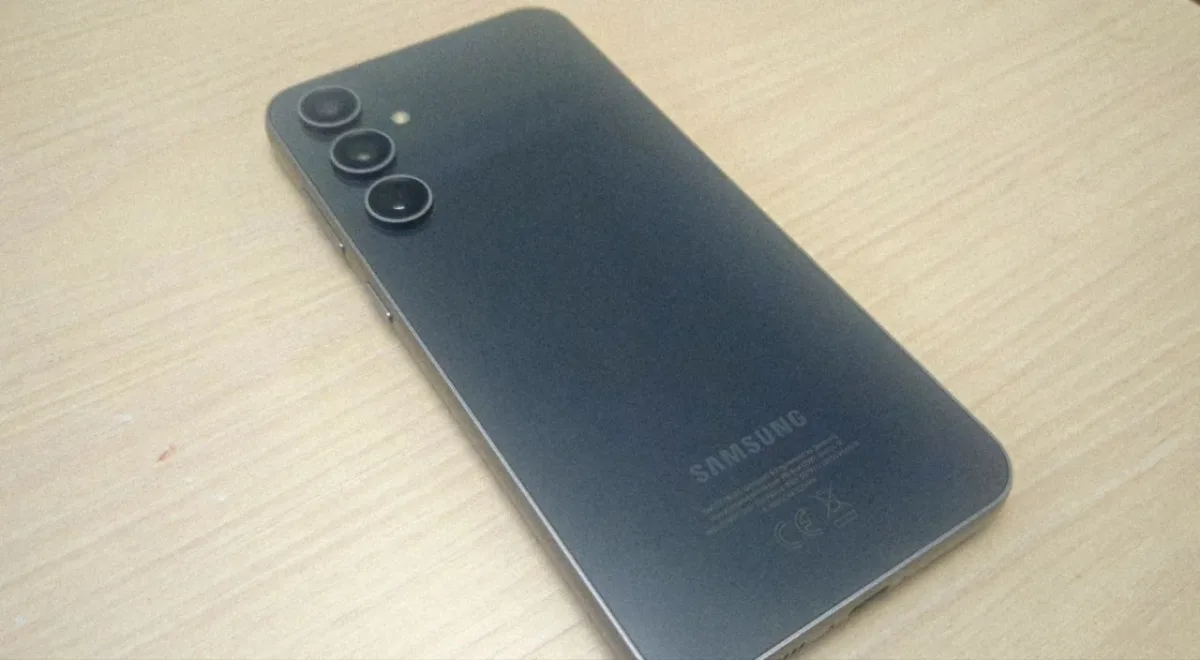
Otherwise, the S23 Fan Edition is a truly elegant and justified smartphone for its price. If you are a Samsung lover and want a budget S-series, then it really isn't worth overthinking. I managed to buy it 10 months after its release for $550, while its average price at launch was $590. If you pay attention to its cooling, then the battery will last longer and it will be more stable, although the flaw called the Exynos 2200 will remain as the legacy it received from the S22 series.