
The second half of 2026 is officially underway, and the video game industry continues to evolve into a more diverse, dynamic, and multi-platform ecosystem than ever before. Today, high-end gaming experiences are no longer confined strictly to heavy desktop setups or traditional home consoles. From powerful handheld gaming PCs to mobile phones running console-quality titles, gaming is expanding everywhere. The underlying goal of the industry is clear: to satisfy as many players as possible across every conceivable device.
Unsurprisingly, this rapid market growth has led to a massive surge in demand for gaming accessories. However, when we break down the hardware ecosystem, modern accessory development is primarily focused on PCs and mobile devices. Traditional consoles—particularly the PlayStation and Xbox ecosystems—tend to offer a more closed experience where third-party accessories are less dominant.
Among all platforms, PC accessories stand out the most. As console platforms navigate an increasingly uncertain roadmap, PC gaming continues to gain immense popularity—and for very good reason.
The Shifting Landscape: Why PC Gaming is Gaining Momentum in 2026
Recent developments in the gaming industry have nudged many loyal console players toward building or buying a desktop PC. One major turning point that sparked widespread frustration among physical media enthusiasts was Sony's decision to shift away from physical disc drives in its newest console hardware iterations. Removing physical media options disappointed long-time collectors and gamers who rely on disc trading, driving a significant portion of the audience to re-evaluate PC gaming as a viable primary platform.
While this shift has contributed to the steady growth of the PC user base, entering the PC gaming space comes with its own set of financial challenges:
Rising Component Costs: Hardware components have become increasingly expensive over the last few years.
Elevated Memory & GPU Prices: RAM modules, high-bandwidth storage, and modern graphics cards remain priced at high tiers, significantly inflating the cost of building a custom gaming rig.
Despite these cost hurdles, gamers still crave the seamless, comfortable experience traditionally associated with console gaming. They want to sit back, pick up a comfortable gamepad, plug in high-quality headphones, and dive straight into their favorite virtual worlds without dealing with clunky controls. This demand for comfort has made choosing the right game controller a top priority for PC gamers.
Searching for the Perfect PC Gamepad: The Budget Trap
Selecting a game controller for a PC setup might sound straightforward, but it requires careful consideration. Gamers want an ergonomic design, responsive analog sticks, low latency, and a layout that mimics the intuitive feel of PlayStation or Xbox controllers. However, picking the wrong device to save a few dollars can quickly turn into a frustrating headache.
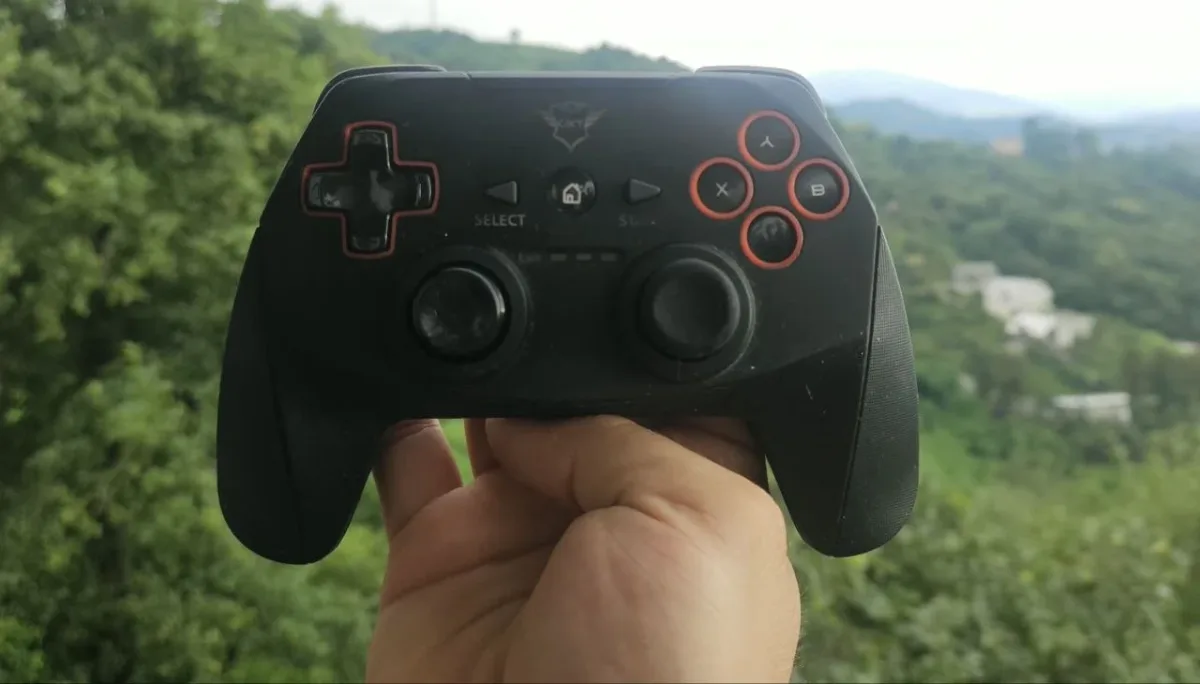
To illustrate this, let us examine a specific real-world example: the Trust GXT 545 wireless gaming controller.
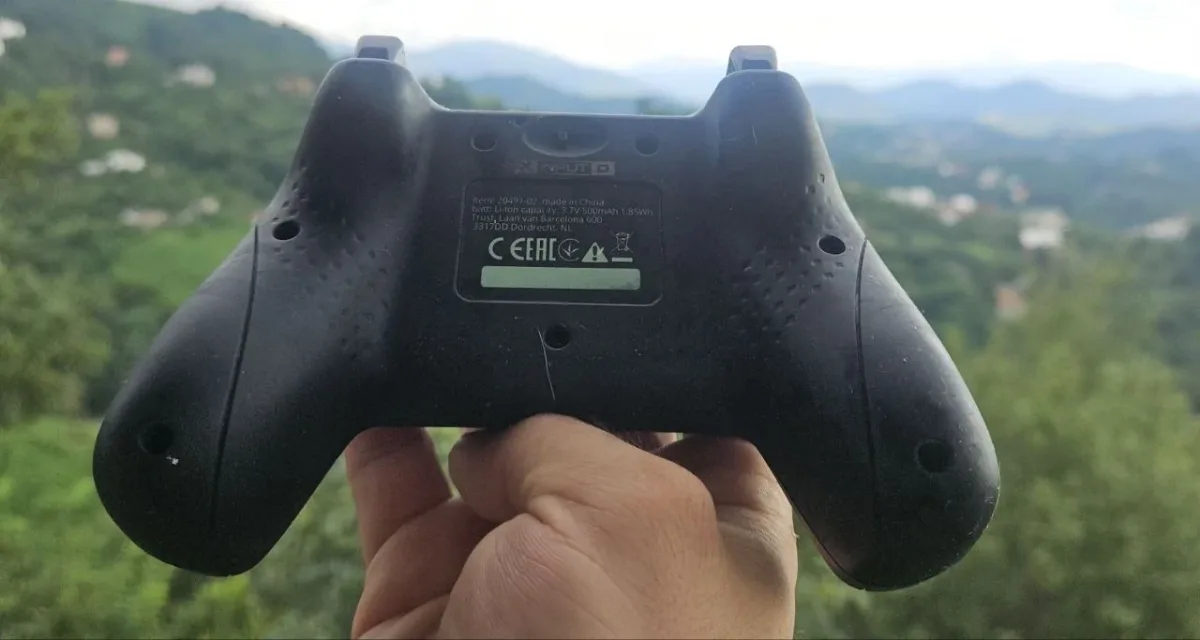
At first glance, the Trust GXT 545 appears to be an absolute steal. Priced modestly between $25 and $30, it offers a layout heavily inspired by PlayStation gamepads, complete with familiar symmetrical analog stick placement and comfortable face buttons. Furthermore, its wireless connectivity via Bluetooth and 2.4GHz receiver promises the couch-gaming freedom that console players enjoy, powered by an internal 500 mAh rechargeable battery.
Initial impressions were overwhelmingly positive—the buttons felt tactile, the ergonomics were comfortable, and the price tag seemed too good to pass up. But does the long-term quality match the attractive price point? Unfortunately, the short answer is no.
The Flaw: When Wireless Reliability Fails
For the first few weeks, the controller performed reasonably well. However, after a few months of regular use, major operational issues began to surface. While the internal 500 mAh battery held a decent charge and the button response remained fine, the controller's fundamental point of failure was its wireless connection infrastructure.
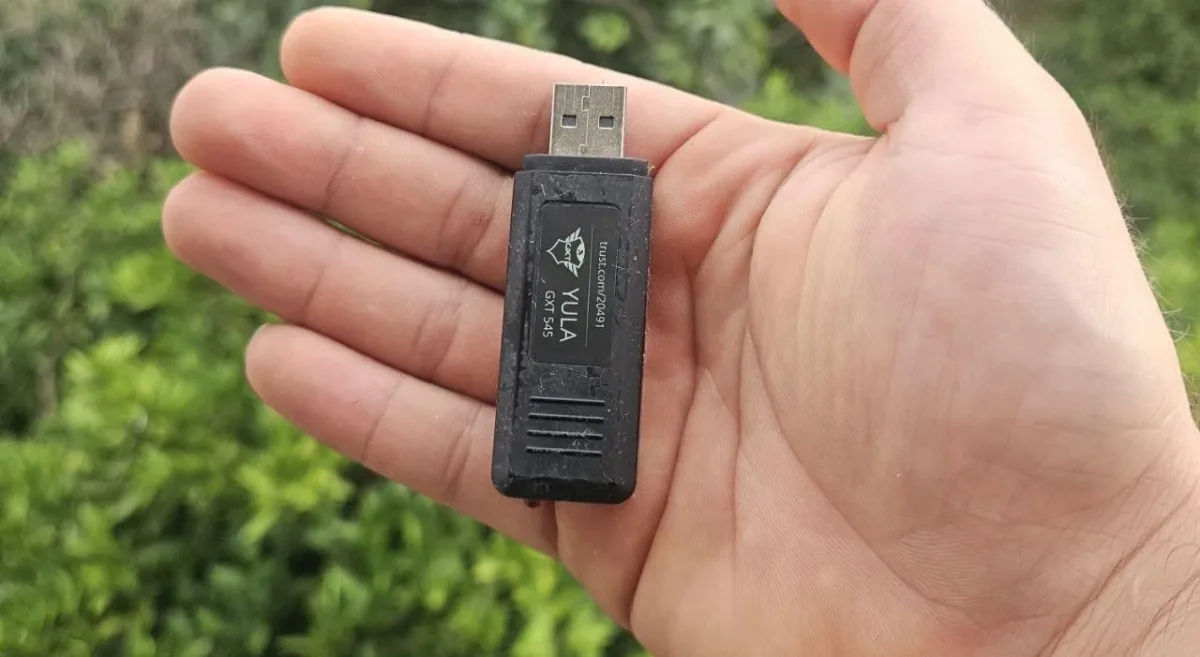
The Trust GXT 545 relies heavily on a dedicated USB receiver to maintain a continuous connection with the PC. Once this wireless receiver experiences hardware instability, signal interference, or internal component degradation, the entire controller becomes unresponsive.
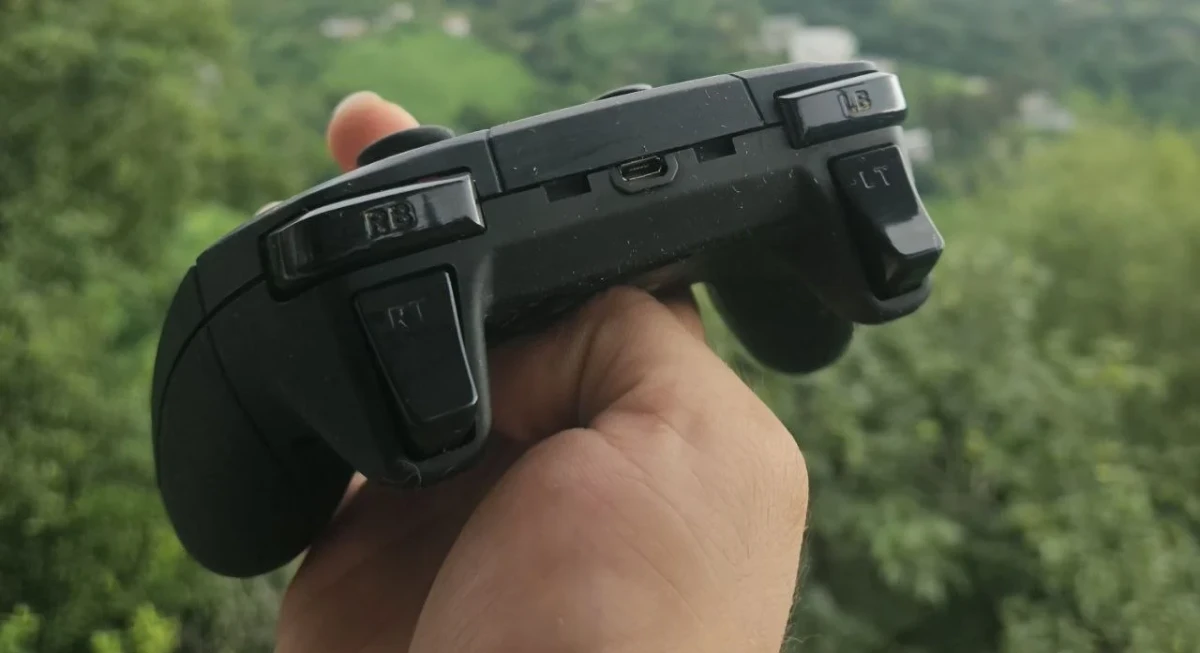
In a logical design, a wireless controller should offer a fall-back mechanism. Since the Trust GXT 545 features a Micro-USB port for charging, one would naturally assume that plugging a Micro-USB cable directly into the PC would allow it to operate as a standard wired controller.
Unfortunately, that is not how this controller is designed:
Charge-Only Micro-USB Port: The controller's Micro-USB port is hardwired purely for power delivery to charge the internal battery.
No Data Passthrough: The USB connection cannot transmit control signals or data input to the computer.
Complete Inoperability: The moment the wireless connection or USB receiver fails, the gamepad becomes entirely useless—turning into an expensive paperweight despite having perfectly functional buttons and analog sticks.
Key Takeaways: How to Choose a PC Controller Wisely
This experience leads to a vital conclusion: purchasing a budget wireless controller solely because it promises wireless freedom is often a risky gamble.
If you are currently shopping for a PC controller, keep these essential tips in mind:
Demand Wired Data Support: Always make sure that any wireless controller you buy supports dual-mode operation (both wireless AND direct USB data passthrough). If the wireless receiver breaks or suffers from high latency, you can simply plug in a cable and keep playing.
Verify Wireless Connection Quality: Look for controllers that utilize stable Bluetooth 5.0+ or reliable 2.4GHz connections with strong user feedback regarding long-term durability.
Consider a Dedicated Wired Controller: If you play mostly at a desk, a reliable wired controller often provides zero latency, lower overall costs, and zero risk of battery or dongle failures. (We have previously reviewed an excellent budget wired controller that truly delivers on its price tag—you can check out that full article on our website here.
While tethering yourself to a USB cable means you might not be able to lean all the way back on your couch, having a fully functional wired controller is infinitely better than owning a wireless gamepad that no longer works at all. Make sure to research thoroughly before buying so you can enjoy a hassle-free PC gaming experience!